Good times for a change
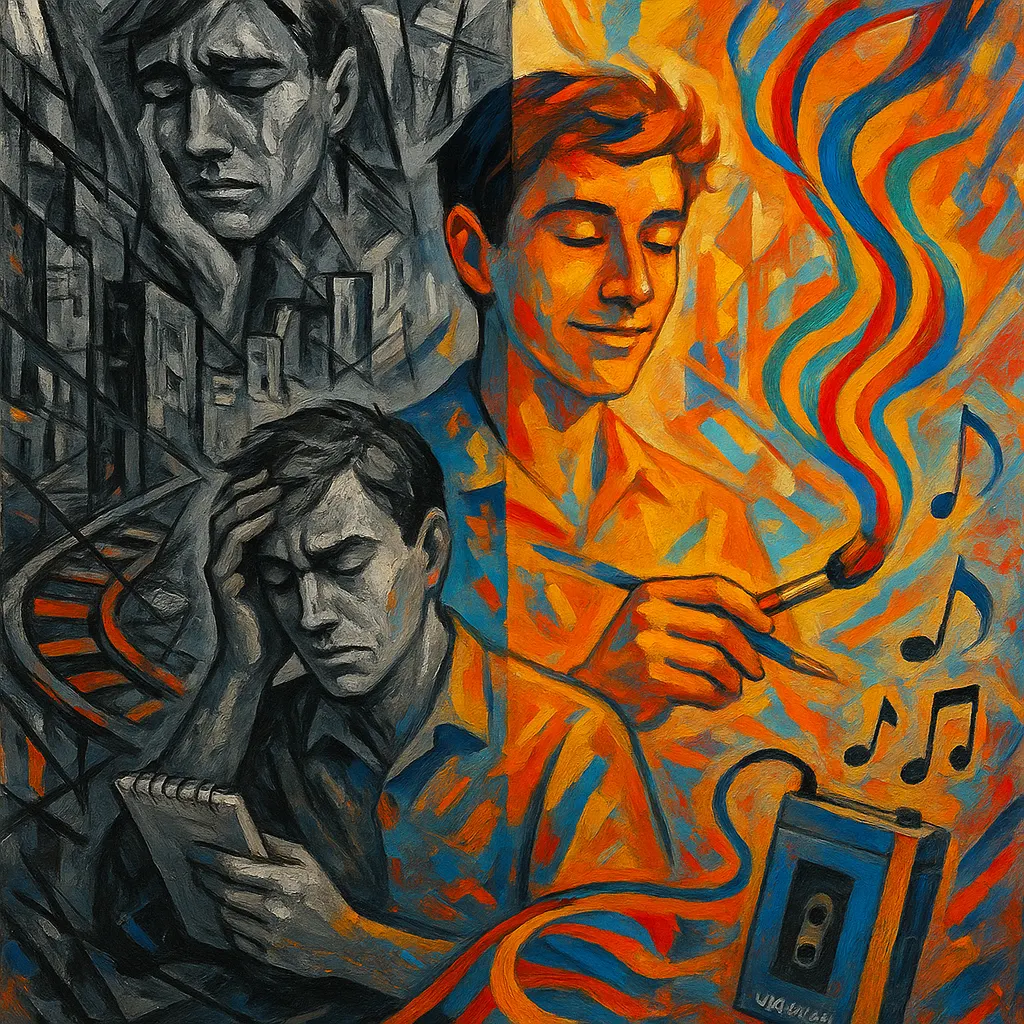
It was my third month as a journalist in a new city, and I was drowning. The metro ride to work felt heavier than ever that morning; I hadn’t even put on my “Good Times for a Change” playlist. It didn’t matter. Nothing seemed to matter. I couldn’t crack an interesting news peg, let alone uncover anything significant. Yesterday’s harsh bashing from my sub-editor had left me spiraling.
After the berating, I had abandoned my cubicle, headed downstairs for a smoke. I couldn’t face the newsroom’s glare anymore. The cigarette wasn’t just an escape; it was a way to exhale the doubts piling up inside me. Had I made the wrong choice becoming a journalist? Was I cut out for this relentless, fact-driven world of nonfiction?
As I stood there, lost in my disillusionment, a gunshot shattered the silence. My heart jumped. My eyes scanned the street. A man stumbled into view, his shirt soaked in blood. My instincts kicked in. I rushed toward him, adrenaline replacing my existential dread.
“Help…” he whispered, collapsing at my feet.
I froze for a moment but forced myself to focus. I scanned the surroundings and spotted a motorcycle speeding away, its rider clutching a gun. Without thinking, I darted to the parking lot, commandeered a random bike, and gave chase.
The city blurred around me as I pushed the throttle, weaving through traffic to close the gap. My journalistic instincts burned brighter than ever. I didn’t care about the consequences; I just knew I needed to catch this man. Finally, at a red light, he faltered. I cornered him.
“Why?” I shouted, my voice shaking with a mix of anger and fear.
The man – no older than 20 – broke down, tears streaming down his face.
“I killed him… He was my father,” he confessed. His voice cracked as he unloaded years of torment.
His father was a monster, a man who spent every penny on alcohol and gambling, who beat him relentlessly, who had sold his childhood for his own vices. At just four years old, he had lost his mother - abducted by a mafia his father owed money to. Her body was found in a pond a month later.
“I had no choice,” he sobbed. “He ruined me. He ruined everything.”
I listened, numb and helpless. The weight of his story crushed me.
By the time the police arrived, I had a notebook full of details, but my heart felt heavier than it had that morning. Back in the newsroom, I crafted the story of a lifetime - a story that captured pain, desperation, and a broken system. The next day, it was the front-page feature. My byline stared back at me from the paper.
It was my breakthrough, my big scoop. But it didn’t feel like triumph. It felt like heartbreak.
As I sat in my cubicle later that day, re-reading the story, I finally gathered my courage. For months, I had tried to convince myself that journalism was my calling, but deep down, I knew the truth. I wasn’t meant for this. I couldn’t stomach the relentless weight of others’ tragedies.
That evening, I emailed my resignation letter. For the first time in months, I felt light. I wasn’t walking away in defeat – I was walking toward my dream of becoming an artist.
On the metro ride home, The Smiths played softly through my headphones:
“Please, please, please let me get what I want…”
The song mirrored my bittersweet clarity. Life wasn’t about chasing stories that broke me – it was about creating art that healed the world.